
How to Choose a Baby Monitor OEM / ODM Partner in China
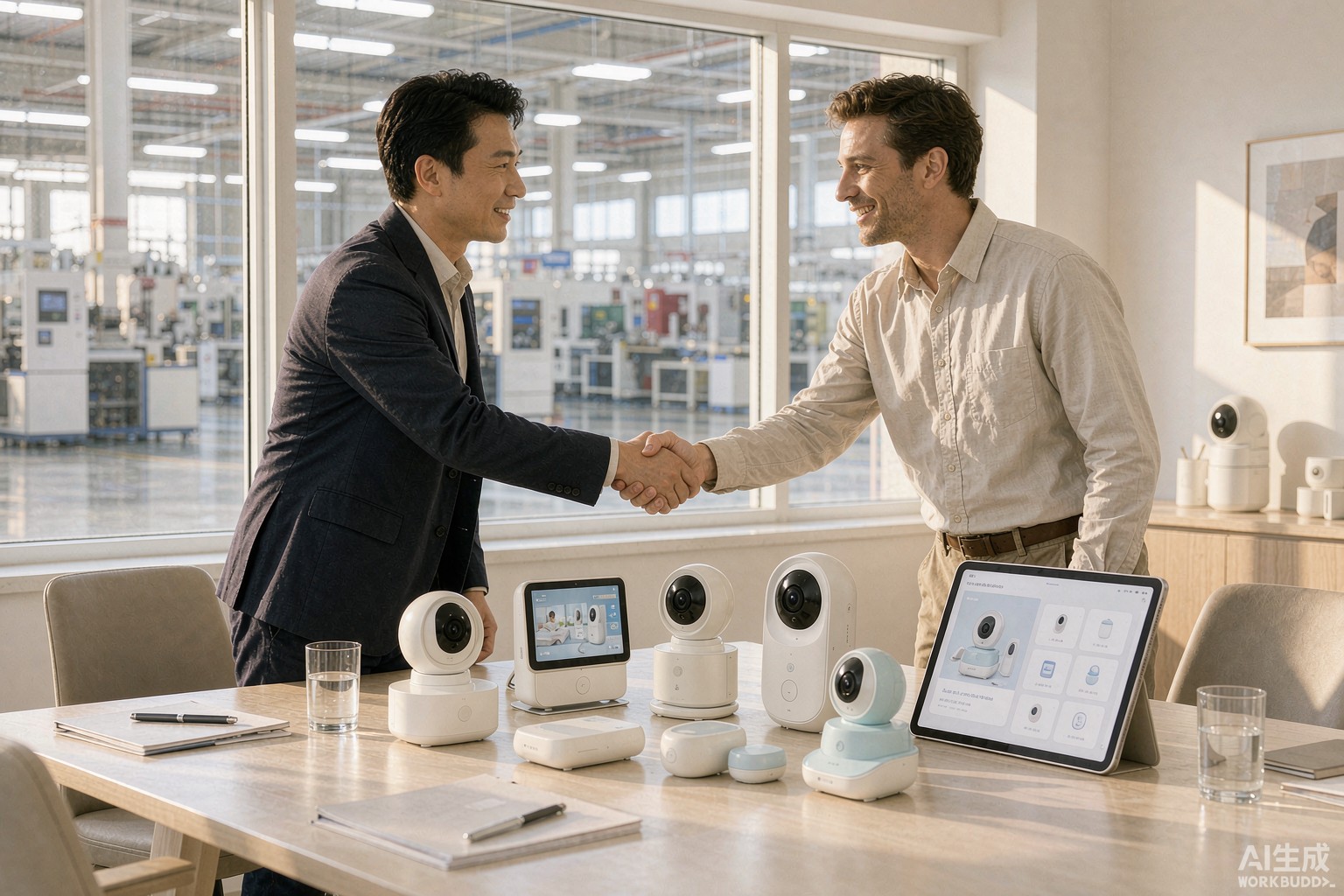
Choosing an OEM / ODM baby-monitor manufacturing partner in China, price is rarely the only factor that decides success, delivery stability, compliance and communication efficiency matter just as much for a partnership that stays profitable long term. The six checkpoints below help brand owners quickly separate genuinely reliable factories from the rest.
First, confirm true factory ownership. Many trading companies rent a few product photos and present themselves as manufacturers. An on-site visit, proof of property or lease, and verification of production lines and headcount are the most direct ways to tell a maker from a middleman. A factory you own means your requirements reach the line directly, and sampling or tooling changes respond faster.
Second, examine the quality system and full-test capability. Ask about incoming inspection ratios, in-process audit frequency and whether 100% functional testing is done before shipment. A factory with a working ISO 9001 closed loop delivers higher batch-to-batch consistency and fewer market-side complaints.
Third, verify certification coverage. Different target markets mean different mandatory marks: the EU requires CE including the RED directive, the US requires FCC and CPC, and RoHS governs hazardous substances. Ask suppliers for original, in-date certificates to avoid customs risk.
Fourth, MOQ flexibility. Standard OEM often starts around 500 units, private-mold programs are higher. Be wary of any factory that quotes one low price for everything, reasonable MOQs with clear tier pricing actually show real cost understanding.
Fifth, engineering depth. Are industrial design, structure, firmware and app all in-house? Only a factory that can tool and iterate its own firmware can build true differentiation with you, instead of merely relabeling someone else's design.
Sixth, communication and responsiveness. Time zones, language and project follow-up rhythm determine sampling speed and how fast surprises get handled. A team that states lead times clearly and proactively updates progress is worth more long term than one that simply quotes low.
Finally, red flags include refusing factory visits, vague certificates, hedging on key specifications and lead times that defy industry norms. By contrast, a partner that opens its lines, shares test reports and talks about risk upfront is the one worth committing to. A useful exercise is to send the same specification sheet to three candidates and compare not just the quote but the questions they ask, a strong supplier will probe your use case before naming a price. Dayun Links, with its own factory, end-to-end quality control and well over a decade of R&D and mass-production experience, Treat the first order as a learning cycle rather than a final commitment. Start with a modest quantity to validate both the product and the working relationship, confirm that samples match the signed specification, and only scale volume once evidence has accumulated. This staged approach limits downside while you build the trust that a long-term manufacturing partnership depends on. The factories that last as partners are usually the ones that were slightly more careful at the start, not the ones that quoted fastest.
Dayun Links, with its own factory, end-to-end quality control and well over a decade of R&D and mass-production experience, aims to be that trusted manufacturing partner in China.
Related News
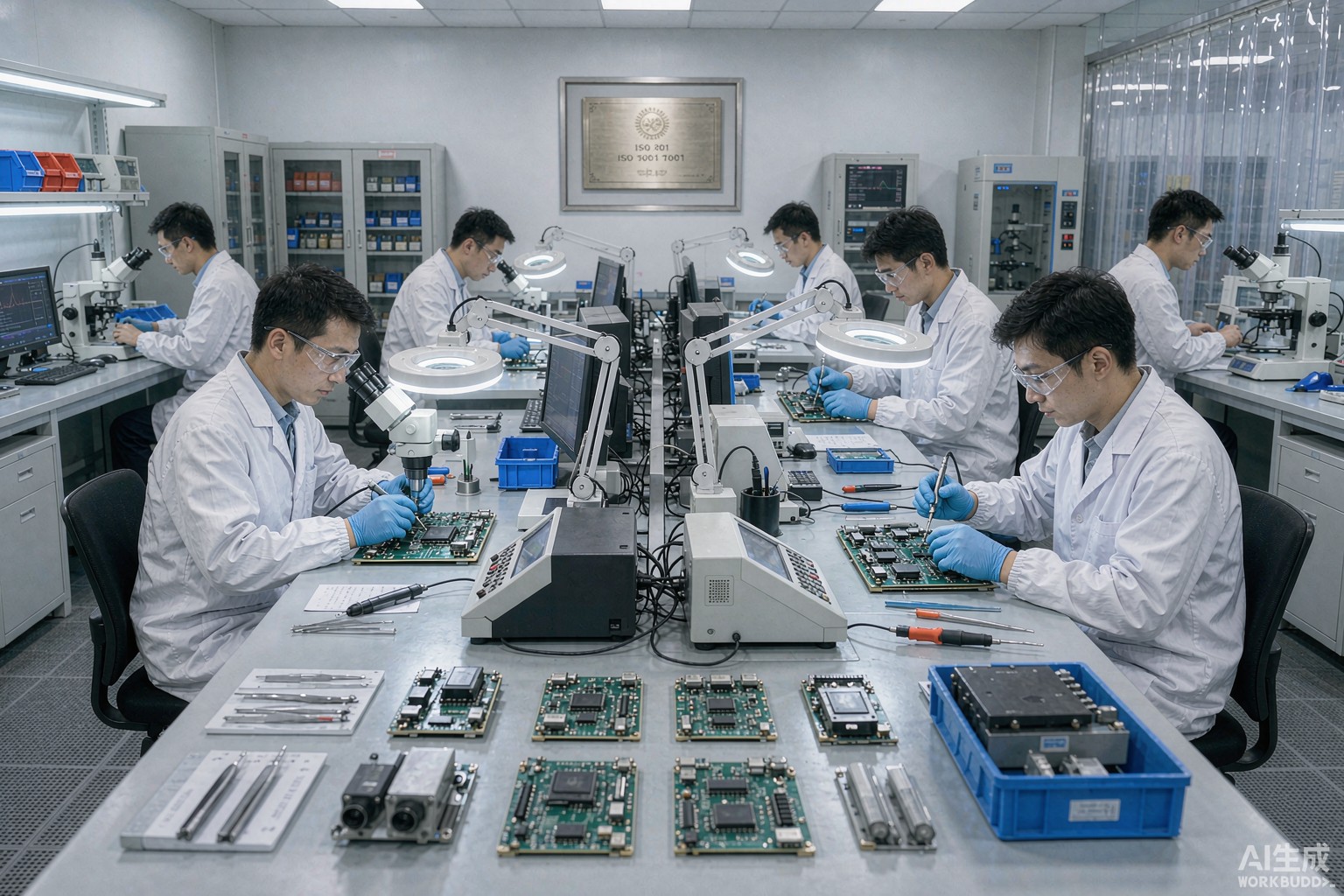
Dayun Links Passes ISO9001 & ISO14001 Recertification Audit
Our management system has been re-audited for ISO9001 and ISO14001, covering design, sourcing and full manufacturing process control.
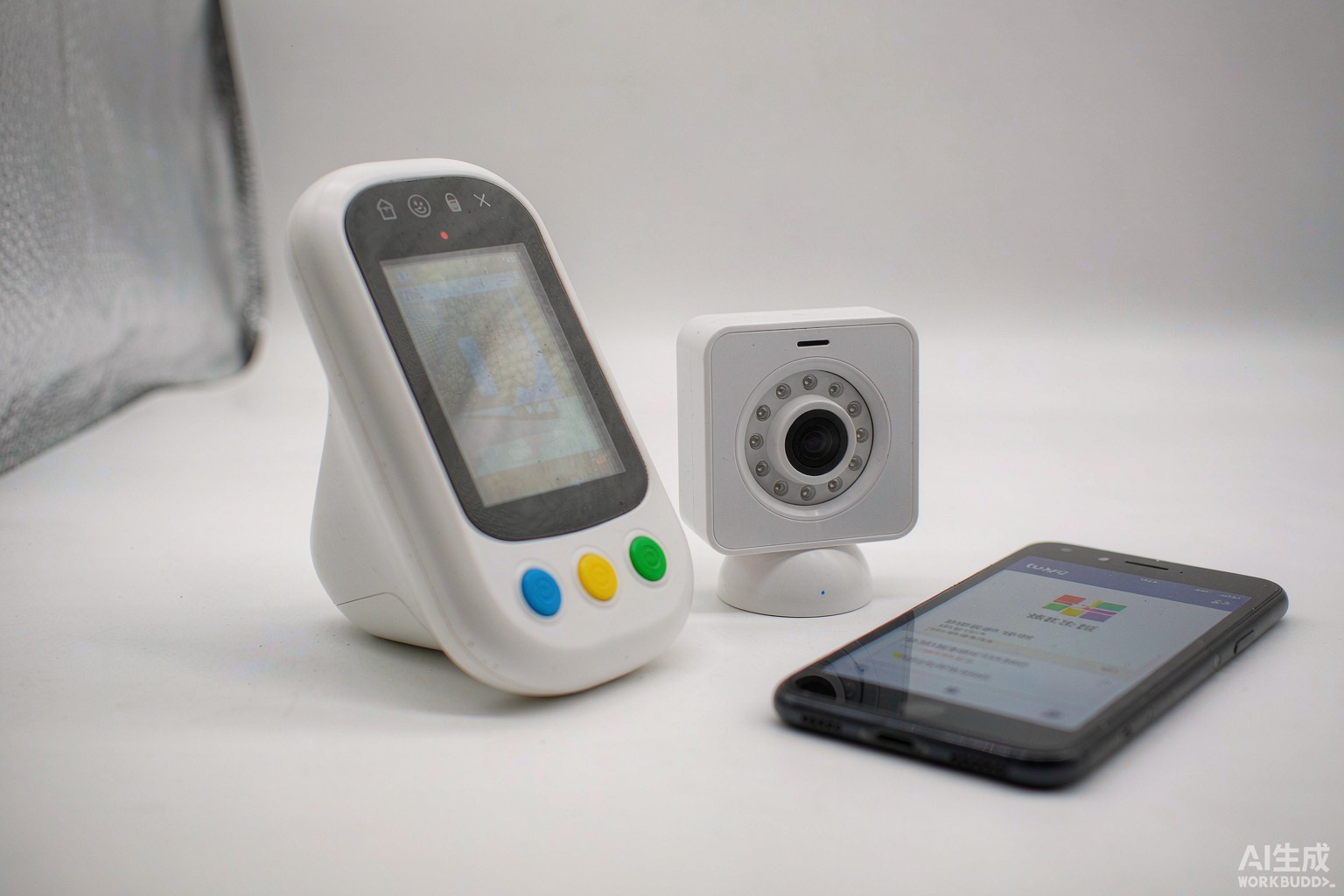
New 5" 720P WiFi Monitor (W02) Enters Mass Production
The W02 platform pairs a 5" parent unit with the Tuya Smart Life app and is now in stable mass production with a 35-day lead time.
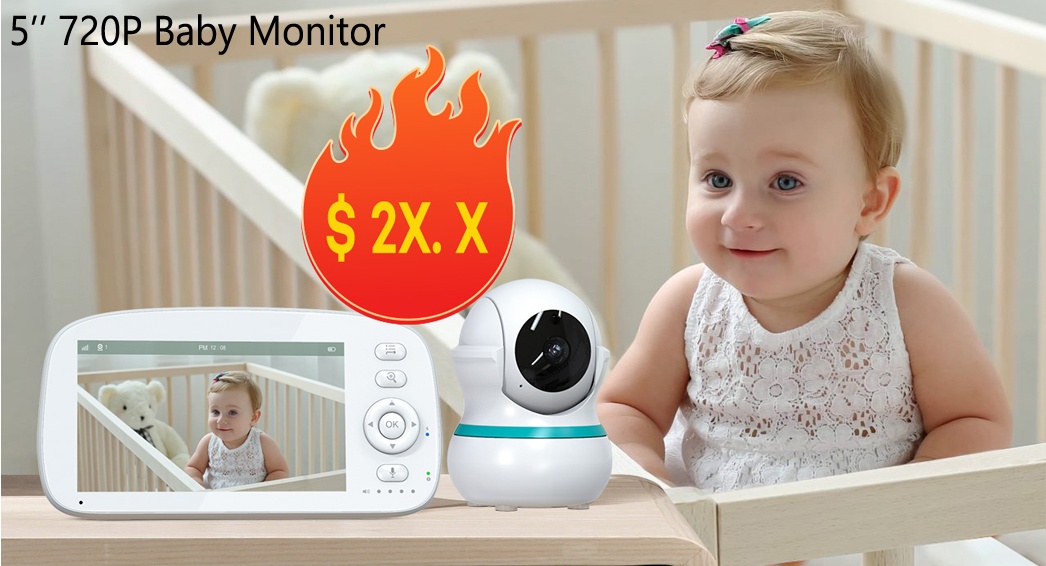
Announcing Our Latest Model Series: Boosting Your Competitiveness with DayunLink
Shenzhen Dayun Links unveils its 2025 baby monitor series, leveraging in-house R&D and flexible manufacturing to help brands, importers and e-commerce sellers capture niche markets faster.